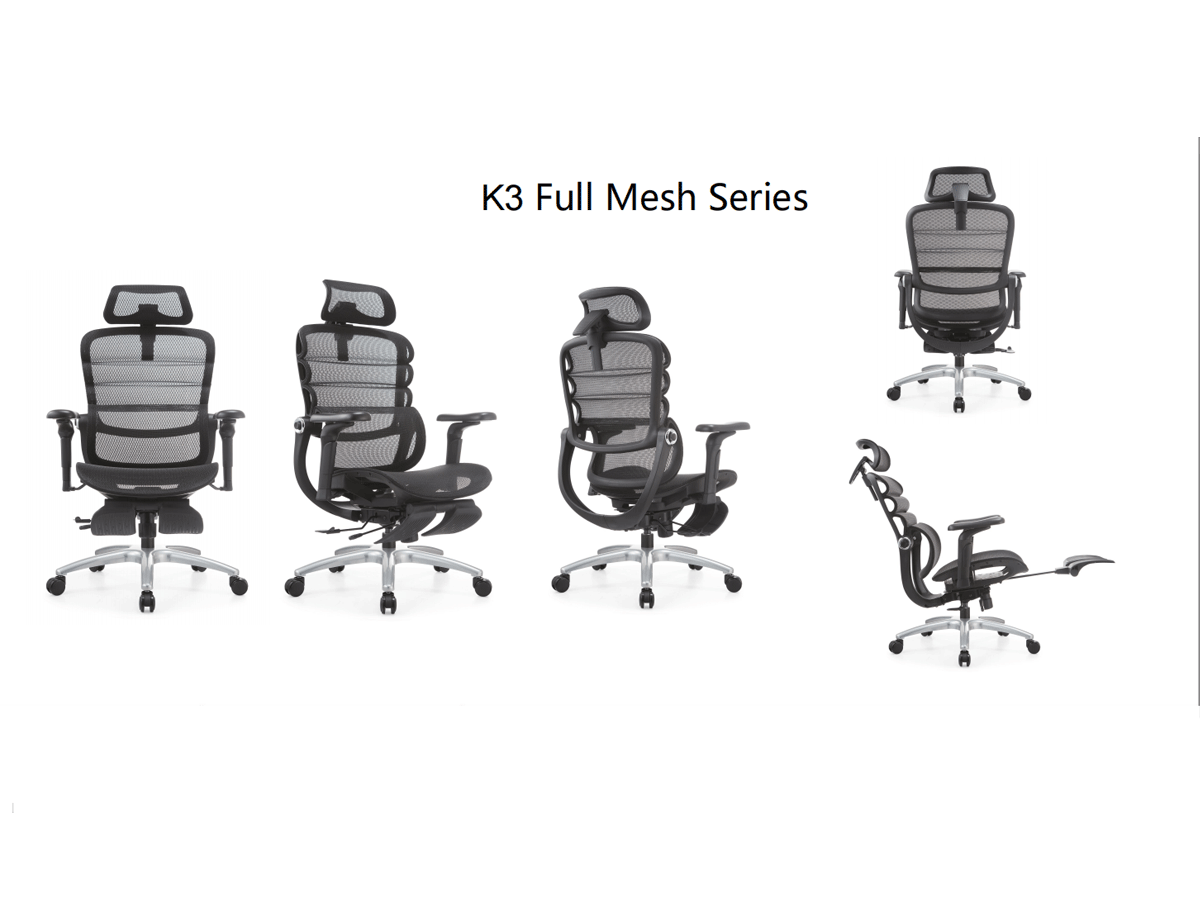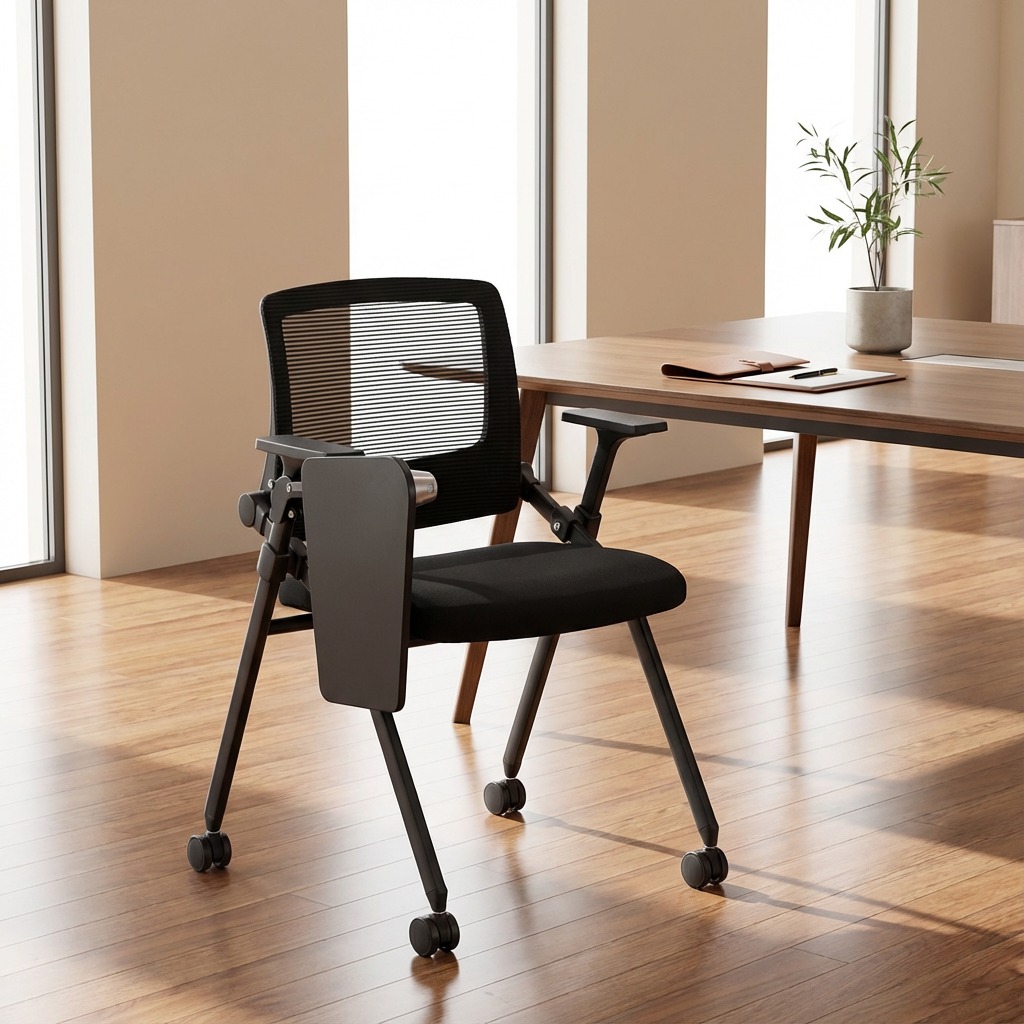

China’s reputation for producing affordable yet reliable goods is no accident. The success story of an ergonomic office chair—a product demanding precision engineering, durability, and comfort—serves as a microcosm of the nation’s manufacturing prowess. Here’s why Chinese products excel in balancing quality and cost:
1. Integrated Supply Chains
China’s manufacturing hubs, such as those in Guangdong and Zhejiang provinces, host clusters of suppliers specializing in every component, from metal frames to breathable fabrics. This proximity reduces transportation costs and enables real-time collaboration, ensuring rapid prototyping and quality control. For instance, an ergonomic office chair’s adjustable lumbar support system might rely on locally sourced motors and molded plastic parts, all produced within a 50-mile radius.
2. Automation and Scale
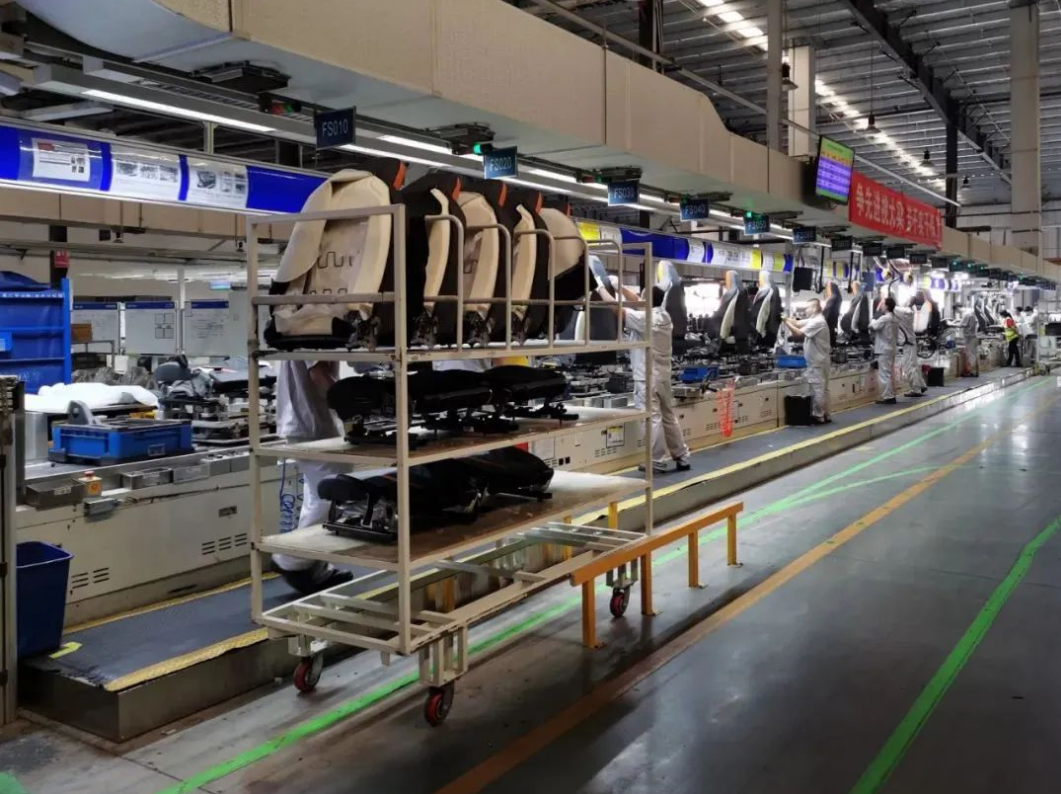
Chinese factories leverage automation to streamline production while maintaining affordability. Robotic assembly lines handle repetitive tasks like welding or upholstery stitching, minimizing human error and labor costs. Simultaneously, mass production scales economies to the point where even premium features—such as memory foam cushions or 360-degree swivel bases—become cost-effective.
3. Skilled Labor and Innovation
Contrary to stereotypes, China’s workforce includes millions of highly trained engineers and technicians. Continuous investment in vocational training ensures workers master cutting-edge techniques, such as 3D modeling for chair prototypes or AI-driven stress testing. This expertise allows manufacturers to iterate designs quickly, incorporating user feedback (e.g., adjustable armrests for diverse body types) without sacrificing affordability.
4. Government Support and Infrastructure
State initiatives like “Made in China 2025” prioritize industries such as smart furniture,ergonomic office chair, offering tax incentives and R&D grants. Additionally, world-class logistics networks—including ports, highways, and high-speed rail—slash distribution costs, enabling Chinese brands to compete globally. A chair manufactured in Foshan can reach a U.S. warehouse in weeks, not months.
5. Consumer-Centric Design
Chinese manufacturers excel at identifying market gaps. Ergonomic chairs, once a niche product, are now mass-produced with modular designs that cater to remote workers, gamers, and office professionals alike. By standardizing features (e.g., height adjustment) while offering customizable options (e.g., color variants), brands balance personalization with bulk pricing.
The Broader Implications
China’s approach to manufacturing offers lessons for global industries:
- Collaboration over competition: Vertical integration fosters innovation.
- Invest in people: Skilled labor drives quality without excessive costs.
- Adaptability matters: Flexible production lines meet evolving consumer demands.
As the world grapples with post-pandemic supply chain disruptions, China’s model proves that affordability and excellence need not be mutually exclusive.
#ChinaManufacturing #ErgonomicDesign #GlobalSupplyChain #Innovation #CostEfficiency #MadeInChina2026 #SmartFurniture #QualityVsPrice