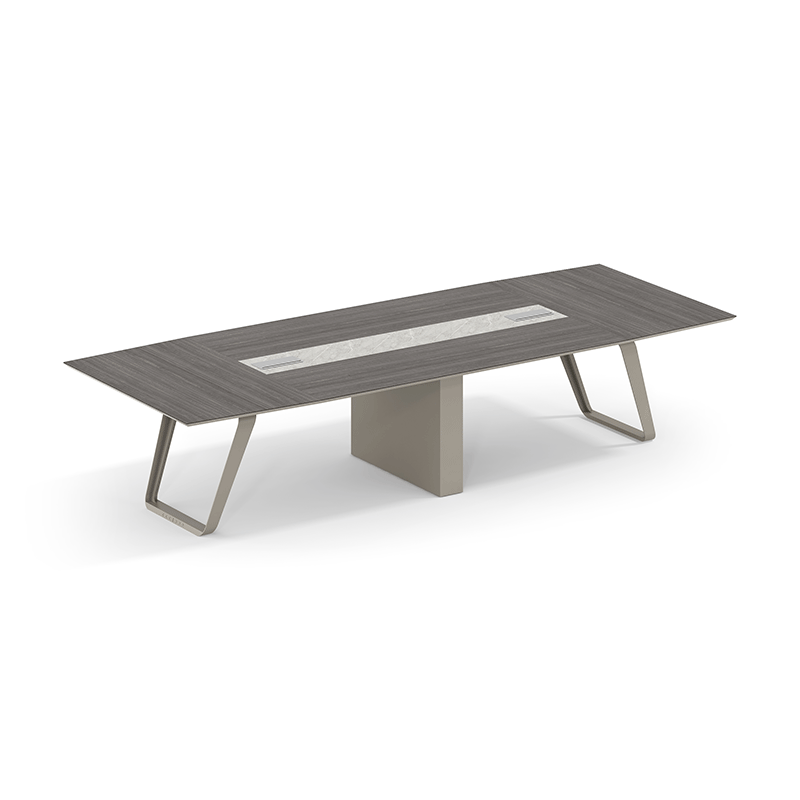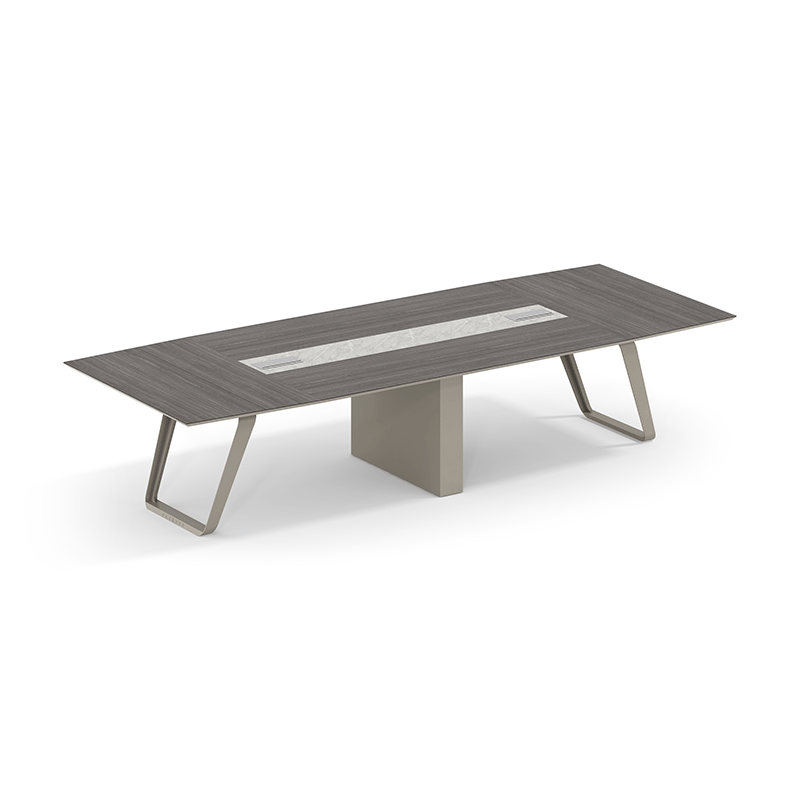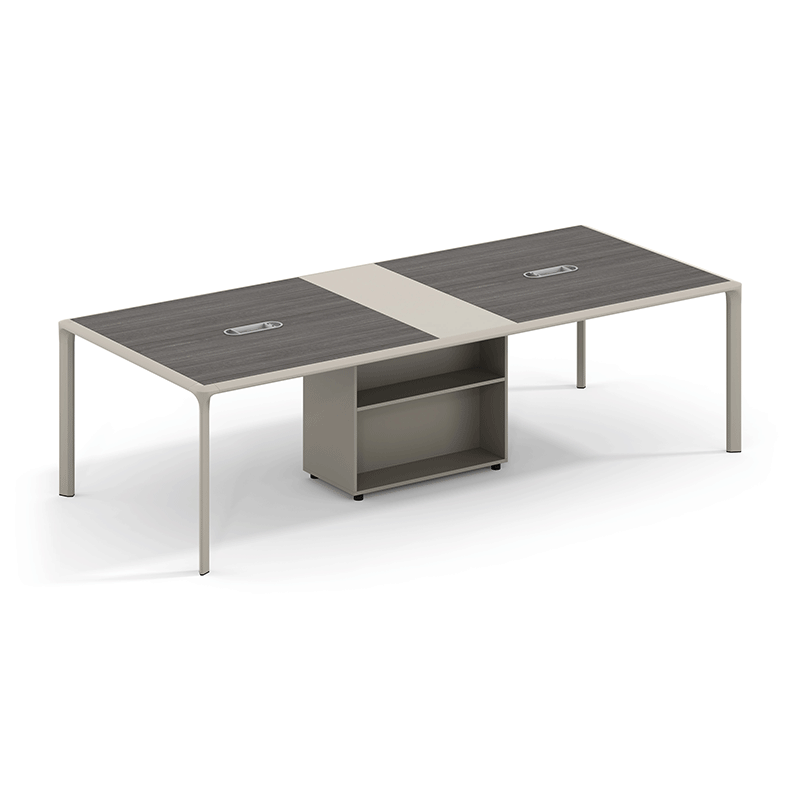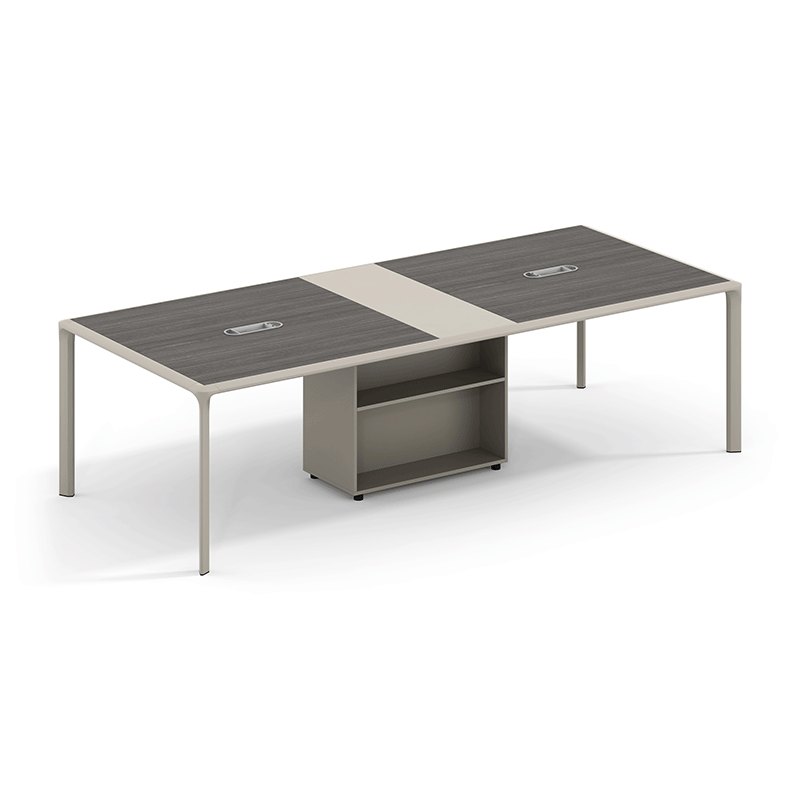

Bar Table Overview
A bar table can do more than fill an empty corner. In offices, lounges, coworking zones, and hospitality interiors, the right table solves a common problem: creating a compact place for quick conversation, laptop work, coffee breaks, or standing meetings without committing floor space to a full conference setup. For buyers planning a flexible workspace, a bar table offers that middle ground between a dining table, a desk, and a casual gathering point.
Foshan Siwares Technology Co., Ltd. focuses on office furniture systems built for real use, and that matters when a table has to fit into a living workflow rather than just look neat in a catalog. The products described here lean toward compact, practical forms with clean lines, mixed materials, and space-saving proportions. Depending on the layout, the same style language can support a cocktail table arrangement in a lounge, a high top table in a breakout area, or a standing table used for quick collaboration.
What These Table Designs Solve for Buyers
Modern interiors often need surfaces that are smaller, lighter visually, and easier to reposition than traditional desks. A compact bar table or small bar table answers that need by providing a usable top without dominating the room. In an office, it can support laptop work and informal meetings. In a reception space, it gives visitors a place to pause with a drink, sign a document, or wait comfortably. In a retail or hospitality setting, it creates height variation in the room, which helps the space feel layered and active.
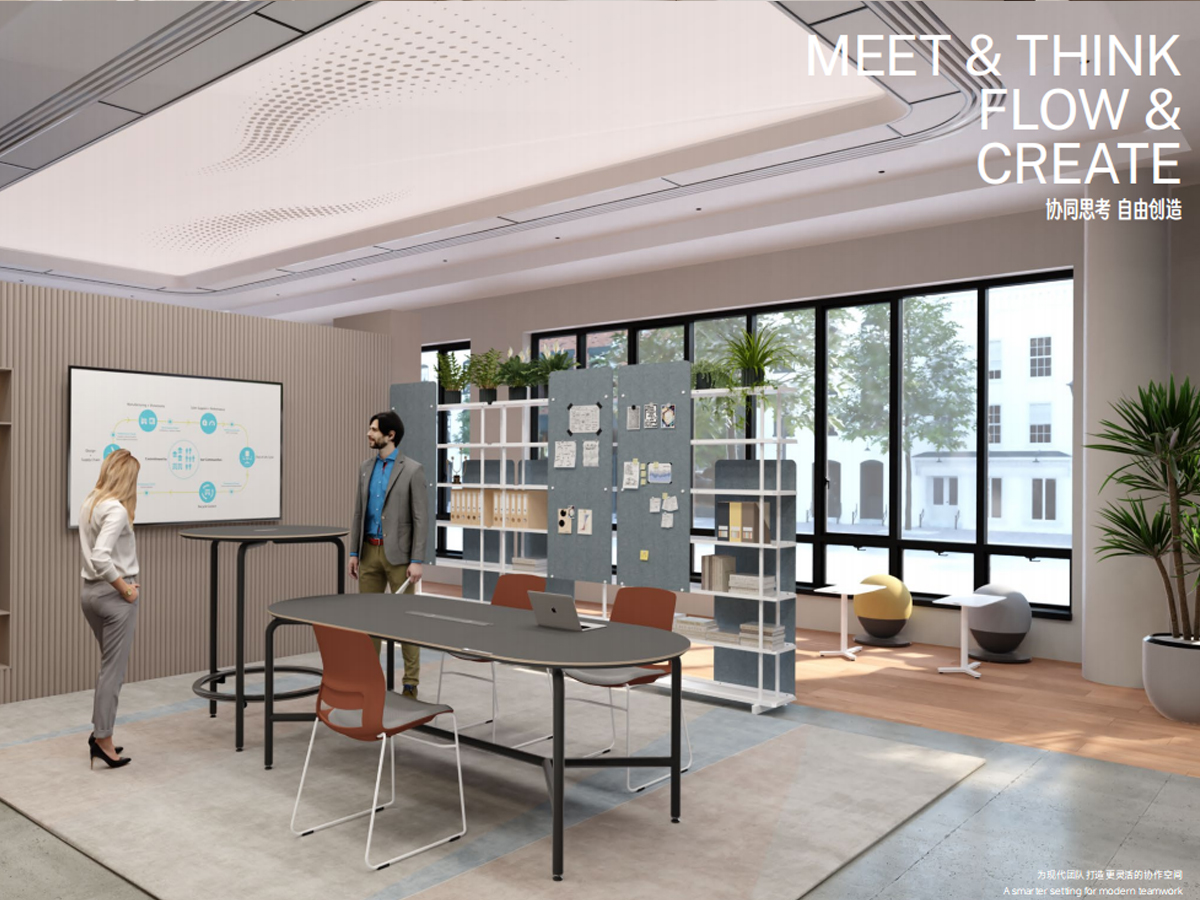
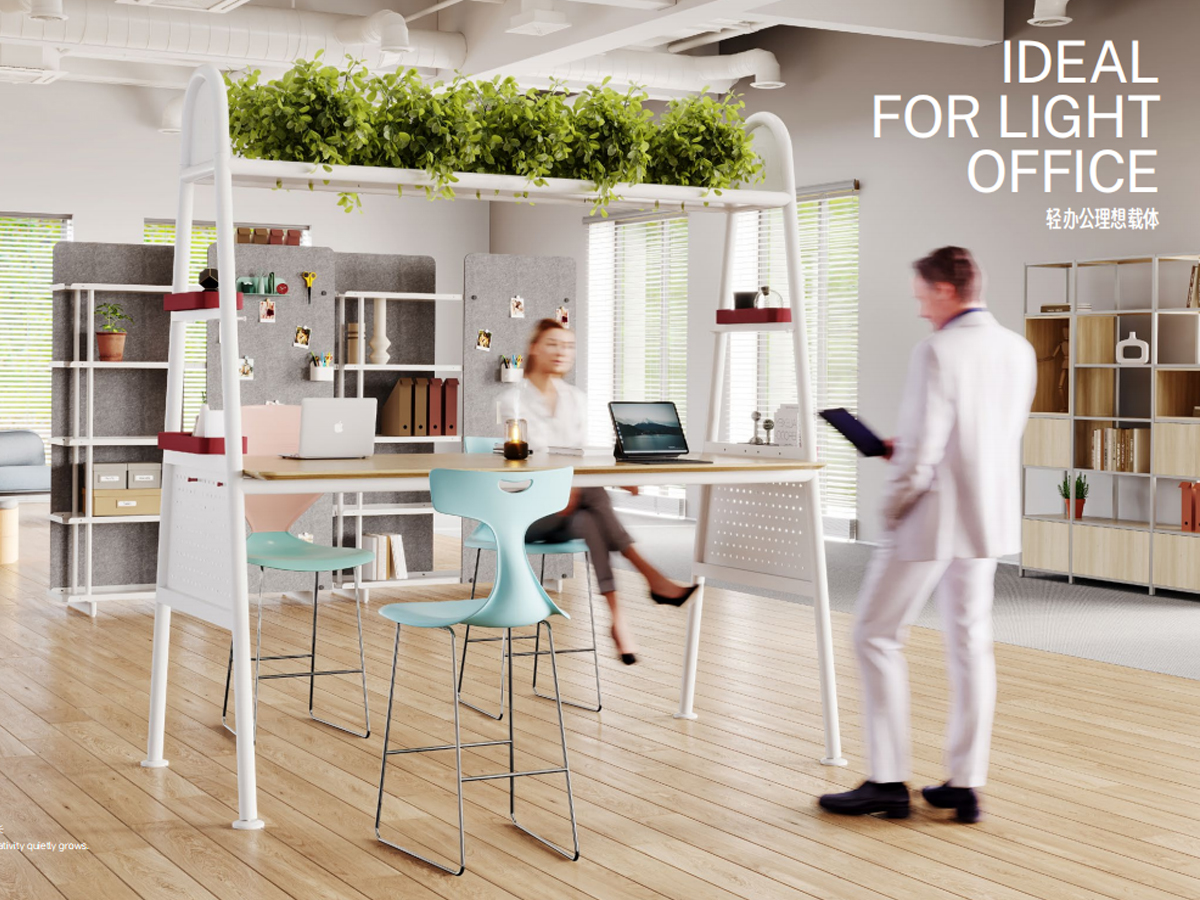
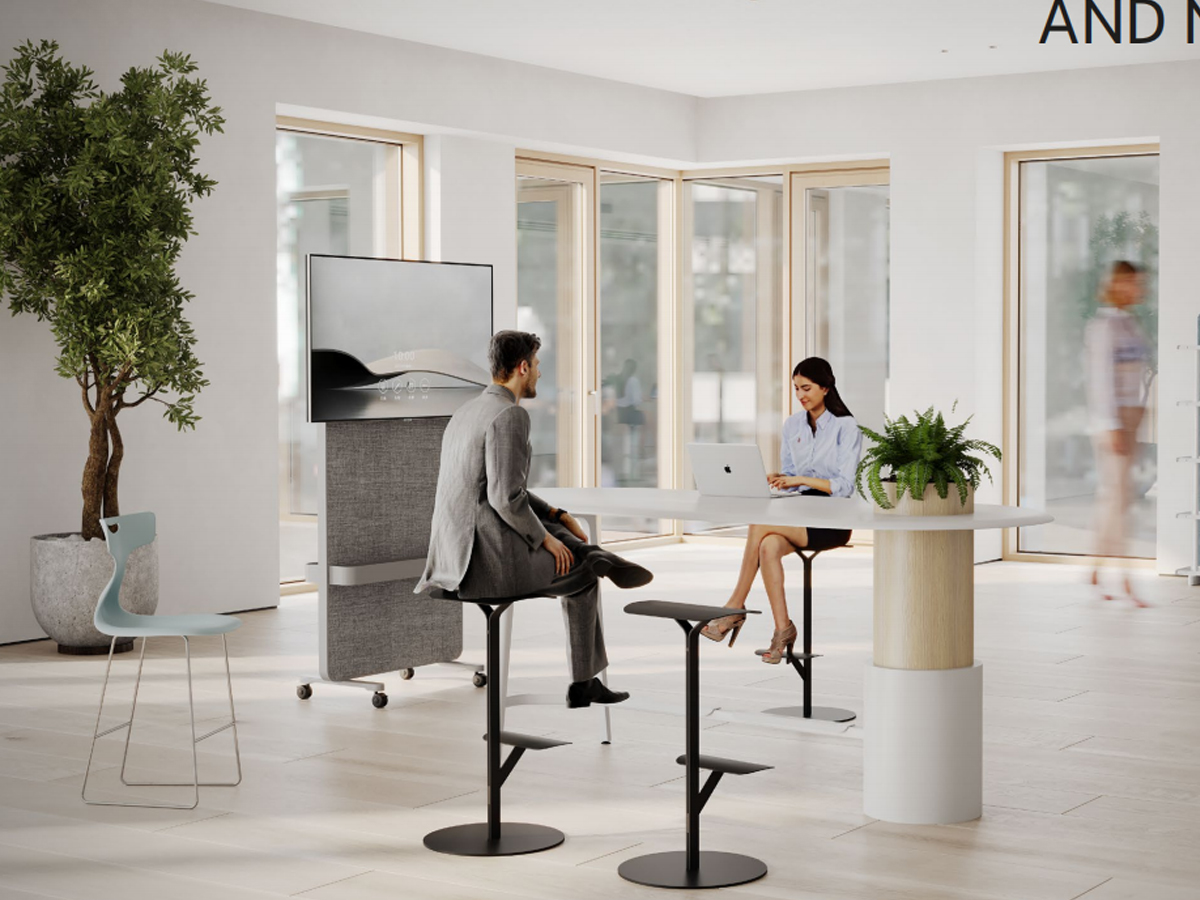
The visible designs in the preparation data show a practical range: one piece combines a main work surface with an upper shelf and side trays for storage; another uses a rounded rectangular top with a mixed-material base and a built-in decorative planter-like feature; a third combines a meeting table with a vertical panel and matching stools for small-group collaboration. Each version fits a different interior need, yet they all rely on the same core idea: compact utility with a light footprint.
Product Structure and Key Capabilities
Dual-surface utility for work and storage
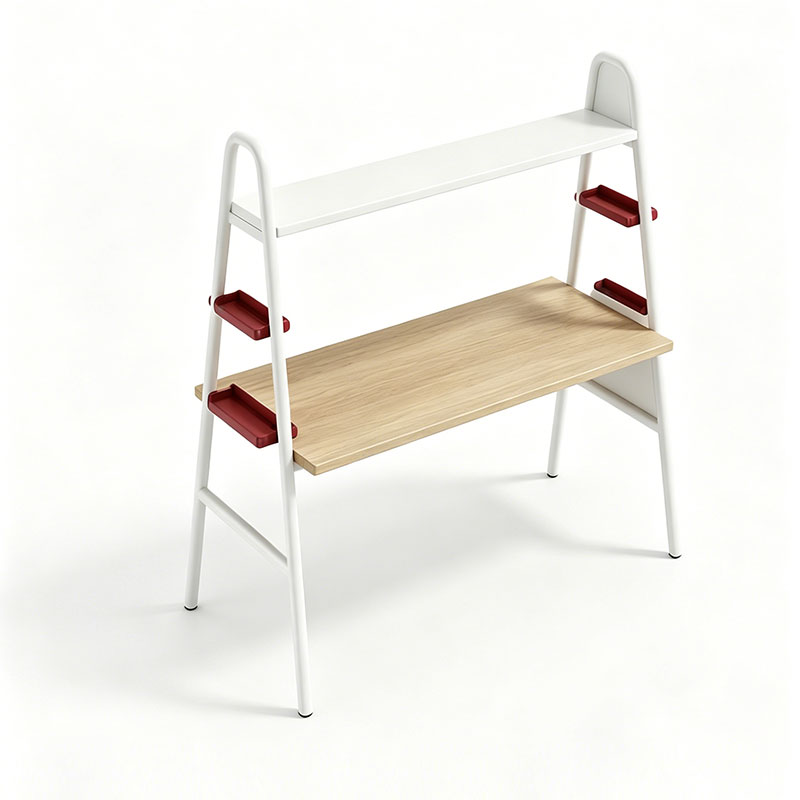
One version features a rectangular tabletop and a narrower upper shelf. That layout is useful when a buyer needs both a main working area and an elevated space for books, tools, display items, or a monitor stand effect. The side-mounted trays add another layer of organization. For small items such as cables, stationery, accessories, or frequently used tools, those trays keep the surface from becoming cluttered.
The frame uses four angled legs with an A-frame or ladder-like side profile. That silhouette gives the table a purposeful, lightly industrial character while also helping the furniture feel stable in plan view. The visual balance is simple, but not plain. It has the kind of geometry that works in compact interiors because it does not visually block the room.
Rounded top and integrated feature element
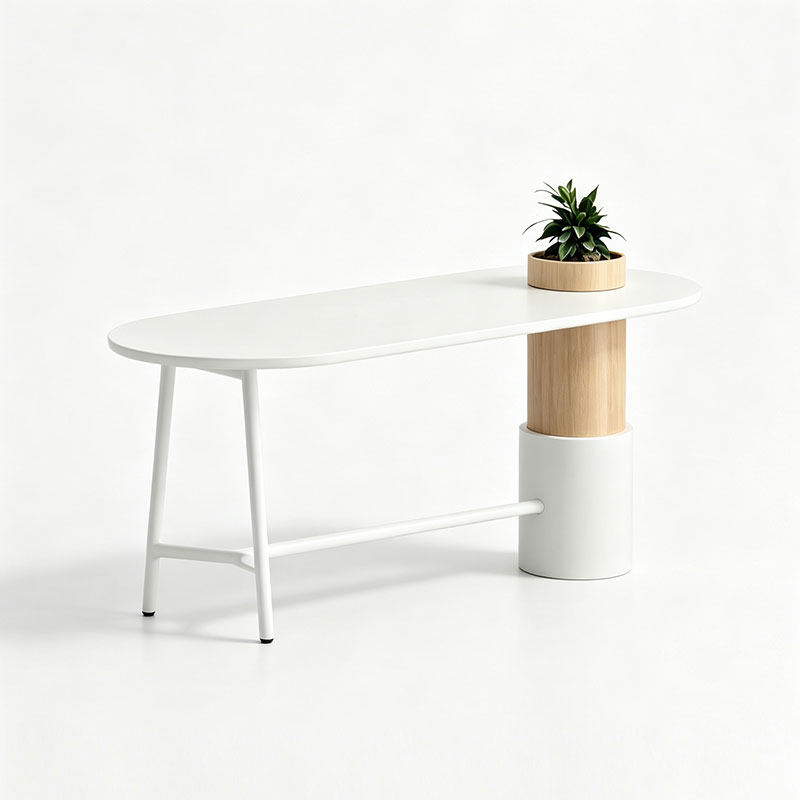
Another design uses an elongated tabletop with softened ends and an asymmetrical support layout. The right-side cylindrical support and the small ring feature near the top introduce a sculptural quality. It can function as a compact office table, a console table, or an occasional surface in a lounge. The integrated decorative feature may be used for a small plant or object display, giving the table a more hospitality-friendly or boutique-style appearance.
For project buyers, that matters because furniture often has to do two jobs at once: support daily use and contribute to the interior mood. A designer bar table like this one can feel calm and minimal while still carrying a distinctive profile.
Meeting table with privacy or display panel
The modular office/workplace system described in the data centers on a rectangular white table paired with a vertical screen or panel and stools. This format is useful for casual collaboration areas, lobby discussions, and breakout zones. The panel may act as a visual divider, a display support, or an acoustic-style element depending on the final configuration. The visible structure suggests a compact meeting station rather than a formal boardroom table, which makes it suitable for fast-moving workplaces.
Because the table is paired with stools and a chair option in the scene, the arrangement supports a more relaxed conversation flow. That is often the right choice when a company wants a lounge bar table atmosphere rather than a strictly formal meeting room.
Materials and Finish Options
Based on the visible information, the furniture uses a combination of painted metal, wood-based board, wood-look finishes, and molded or coated components. The first piece appears to use a matte white metal frame with light oak or ash-colored top surfaces and a white upper shelf. The side trays appear red, likely plastic or coated metal. This contrast makes the structure easy to read from a distance and gives the unit a functional, workshop-inspired character.
The second piece appears predominantly white with a smooth matte or satin finish, paired with a light natural wood cylinder on the right side. That mixed-material approach softens the table visually and makes it suitable for interiors that need a warmer tone. The white surfaces keep it bright, while the wood element adds texture.
The modular meeting setup also uses a combination of white tabletops, light wood-look base sections, dark screen trim, and gray textured panel surfaces. In commercial furniture, this type of contrast is common because it separates task surfaces from display or privacy components without making the whole arrangement heavy.
As for finish options, the exact catalog range is not provided, so it would be safer to discuss the visible direction rather than claim a complete palette. Buyers typically evaluate whether they want a wooden bar table look for warmth, a metal bar table appearance for a cleaner contract-office style, or a mixed finish that balances both. Siwares’ broader manufacturing capabilities suggest customization is possible, but exact options should be confirmed case by case.
Manufacturing and Assembly Approach
The products in the preparation data point to a standard furniture manufacturing process with metal tube bending, welding, board cutting, lamination or veneering, and final assembly. That combination is common for compact tables because it keeps the structure light while maintaining visual crispness. The metal frame can be shaped into angled supports, side rails, or pedestal bases, while the board components provide stable surfaces for daily use.
For the meeting system, modular assembly also likely plays a role. Screens, panels, table bases, and seating elements can be packaged as coordinated parts that are easier to install in commercial projects. Exact construction details are not fully verifiable from the image, so it is best to avoid assumptions about hidden reinforcements, concealed fasteners, or internal hardware.
Application Scenarios
A standing table works well in open-plan offices where teams need a place to pause without booking a meeting room. A high top table also suits coworking spaces where users move between focused work and short discussions. In hospitality, a cocktail table or modern bar table can anchor a lounge corner, a waiting area, or a café-style zone inside a larger venue.
The smaller desk-style version is especially useful for light work, crafts, and staging equipment. It can act as a writing table, a compact home office station, or a utility surface in a study room. The upper shelf and side trays give it an organized feel that benefits buyers with limited square footage.
The sculptural white table with a planter-like feature fits interiors where presentation matters as much as function. That makes it attractive for boutique retail spaces, reception zones, and design-forward residential settings. It gives the room a deliberate accent without turning into a decorative object that cannot be used.
The modular collaboration table with screen and stools is suited to workplace breakout areas, shared office lobbies, and flexible meeting zones. It supports short sessions, laptop use, and informal discussion, which is often exactly what modern teams need.
Quality Control Considerations
Foshan Siwares Technology Co., Ltd. describes a manufacturing base with efficient workflows, multiple production lines, and quality assurance practices. For a buyer, that means the important questions should focus on consistency, finish quality, and suitability for the intended environment. In this product class, the main inspection points usually include frame alignment, surface flatness, edge finishing, coating consistency, and overall stability.
Because the exact certifications and test data are not listed here, it is not appropriate to name specific standards. Still, buyers commonly ask for documentation on materials, safety requirements, and durability expectations, especially when specifying furniture for offices, schools, or public spaces. If the bar table will be used in a commercial setting, it is wise to confirm how the top resists wear, how the base handles daily movement, and whether the finish is easy to clean.
Customization Guidance for Project Buyers
Customization is usually where a bar table becomes a true fit for the room. Before ordering, buyers should define the intended use: brief standing meetings, seated café-style use, laptop work, display, or decorative support. That decision affects height, top shape, base style, and whether extras like shelves, trays, or integrated panels are needed.
For a wooden bar table look, a warm veneer or laminate finish can soften a commercial interior. For a metal bar table aesthetic, a matte powder-coated frame may better match industrial, minimalist, or tech-focused spaces. A designer bar table can lean into sculptural support forms and mixed materials, while a small bar table should prioritize narrow depth and easy movement through tight spaces.
Buyers should also consider how the table relates to seating. Stools, lounge chairs, or backless seats all create different postures and use patterns. If the table is intended as a cocktail table in a hospitality environment, the proportions may differ from a standing table used for collaborative work. In a project order, it is smart to request drawings, finish samples, and clear coordination between table height and seat height.
How to Choose the Right Model
Start with space. Measure the area and confirm traffic flow around the table. A compact footprint can still feel cramped if the room needs circulation for carts, guests, or staff. Next, decide on the dominant activity: writing, chatting, displaying, or storage. The right table will reflect that use rather than forcing the room to adapt to a generic form.
Then look at material balance. White surfaces brighten a room and pair well with light wood. Darker bases and metal elements create a sharper, more technical mood. If the room needs warmth, the wooden details in a modern bar table can make a big difference. If the room needs a crisp commercial identity, a cleaner metal frame may be preferable.
Finally, check whether the table needs accessories. Some buyers want a simple top only. Others need shelves, side trays, privacy panels, or integrated display features. The best choice is the one that supports the everyday task without crowding the interior.
Request a Quote or Layout Discussion
If you are planning office seating zones, lounge corners, reception points, or compact collaborative areas, Siwares can help match the right table style to the space. Share your floor plan, target use, preferred finish direction, and seating needs, and the team can discuss a suitable bar table configuration for your project.
For product selection, customization, and full office solution support, contact Foshan Siwares Technology Co., Ltd. to review options for your next cocktail table, high top table, standing table, or integrated workplace setting.