
Lift Table Support Arm for Adjustable Workstation Frames

Lift Table Support Arm for Adjustable Workstation Frames

Lift Table Support Arm for Adjustable Workstation and Table Frames   A lift table support arm is the structural member that helps a table or workstation carry a top, hold alignment, and keep the frame stable during everyday use. For buyers planning a desk base, workbench, or custom equipment platform, this component solves a practical problem: it gives the frame the rigidity needed to support a surface without excessive flex, while still allowing an adjustable layout or modular assembly. In office, industrial, and furniture projects, the right support arm can make the difference between a frame that feels solid and one that shifts under load. Product Overview   This product category is a fabricated metal frame used as the support structure beneath a tabletop, platform, or machine interface. Based on the visible structure, it uses rectangular tubing, long horizontal rails, vertical posts, and wide base feet to create a stable underframe. The open center design leaves room for mounting a work surface or passing cables and components through the middle area.   From the visible geometry, the frame appears suitable for multiple uses: a workstation base, desk frame, industrial bench base, or modular platform support. The design shows adjustable-looking rail positions and mounting holes or slots, which suggests it can be adapted to different assembly requirements. Exact dimensions and load rating are not provided, so those should be confirmed before purchase. Key Structural Features   Rigid frame layout   The frame is built around two long side rails, two end cross members, and four vertical legs or posts. This layout helps distribute weight across the base instead of concentrating stress at a single point. For a buyer, that means better stability when the table is used for typing, assembly, packaging, or equipment support. Wide floor-contact feet   Visible base plates or feet extend outward to increase floor contact. That is useful in workstation and table applications because a wider stance can help reduce rocking and improve the overall planted feel of the frame. The broad feet also provide a practical surface for fastening or leveling hardware, depending on the final configuration. Open mounting area   The open center section gives room for attaching a tabletop, shelf, fixture, or conveyor module. This makes the frame more flexible than a closed cabinet-style base. Buyers often value this when building custom furniture or industrial equipment, because the frame can accept different top materials and mounting patterns. Materials and Finish Options   The visible unit appears to be made from welded or bolted steel with a matte black or dark-coated finish. Another visible version in the preparation data shows a white-coated frame, which indicates that finish color may vary by model or customer specification. A painted or powder-coated surface is commonly used for office and industrial frames because it helps resist everyday wear and gives the structure a cleaner appearance.   Exact steel grade, coating chemistry, and finish thickness are not supplied, so those should not be assumed. If the frame is being sourced for an office environment, a smooth coated finish may be preferred for appearance. For production or workshop use, buyers may prioritize scratch resistance, weld strength, and ease of maintenance over decorative appearance. Manufacturing and Fabrication   Based on the visible construction, the frame is likely produced from cut-to-length metal tubing that is drilled or punched for mounting points and then joined by welding and/or bolting. The corners show clean industrial joints, and the visible slots and holes suggest repeatable assembly positioning. A final coating step is likely used to finish the surface, though the exact process is not confirmed.   For buyers, fabrication quality matters because it affects straightness, fit, and long-term performance. A frame with well-aligned rails and consistent joint geometry will make tabletop installation easier and reduce the chance of wobble or uneven load distribution. In modular furniture and equipment builds, these details often matter more than appearance alone. Typical Specifications Buyers Should Verify   Because the supplied data does not include exact numeric values, the most important specification checks are practical rather than promotional:   Frame span and overall footprint Tabletop or platform mounting pattern Height or span adjustment range, if applicable Maximum recommended load for the completed assembly Type of joint construction: welded, bolted, or mixed Surface finish and color options Floor leveling method, if included Compatibility with accessories such as a lift table hinge or bracing hardware   For projects involving automation or moving platforms, confirm whether the frame accepts scissor lift table parts or other motion components. If the frame is part of a larger service kit, buyers may also need to identify matching lift table joint parts, a lift table bearing, or a lift table seal kit depending on the machine design. Those items are not visible here and must be matched to the actual system. Application Scenarios   Office and home-office desks   The structure can serve as the foundation for a custom desk or standing desk build. Buyers who want a specific desktop size, cable-routing layout, or frame color can start with the base and add a top separately. Industrial workbenches   In production and repair spaces, a support frame needs to hold tools, components, and fixtures without shifting. This type of underframe is useful where a clean, open center and durable legs are preferred. Automation and packaging platforms   Because the frame looks modular, it can also support a machine stand, conveyor section, inspection station, or packaging module. The adjustable-looking rail layout may be helpful when aligning components during integration. Custom furniture and modular systems   Furniture makers often need a strong base that accepts different top materials and dimensions. A frame like this can be used for a countertop, utility table, or specialized modular station where the final build is tailored to the room or workflow. Quality Control Considerations   For fabricated steel frames, quality control should focus on geometry, alignment, coating, and assembly consistency. Buyers should ask whether the supplier checks squareness, hole placement, surface finish, and fit between mating parts. In practical use, these checks reduce problems during installation and help the finished table sit level on the floor.   Foshan Siwares Technology Co., Ltd. states that it operates with a large manufacturing base, advanced equipment, and quality assurance processes for furniture and office solutions. That background is relevant for buyers looking for a supplier that can support structured production and product customization. The company also mentions after-sales support, which can be important when a frame is part of a larger office or workstation project. Customization Guidance   When ordering a lift table support arm or a complete frame system, customization should start with use case. A desk frame for office work may need a different rail length, finish color, or cable-management layout than a frame for industrial equipment. Buyers should define the tabletop size, mounting point spacing, and intended load before requesting changes.   If the frame must integrate with motion hardware, confirm the locations for hinges, bearings, or limit switches before production. In serviceable systems, buyers may also want spare components such as electric table lift spare parts for maintenance planning. Not every frame requires those components, but in adjustable or powered systems they affect long-term usability and repairability.   For accessories, keep the terminology clear. A lift table hinge may not fit every frame style, and a lift table limit switch should be matched to the motion system rather than selected by appearance alone. The same applies to replacement parts for scissor lift table parts; the exact model and dimensions must be matched. What Buyers Should Compare Before Ordering   Several decision factors matter more than marketing language. First, confirm whether you need a complete base or only a structural support arm. Second, compare floor footprint and leg clearance, since these affect comfort and stability. Third, check finish durability if the product will be used in a high-touch environment. Fourth, ask how the unit is assembled, because welded and bolted frames have different service advantages. Fifth, review compatibility with the intended tabletop or equipment plate.   If your project involves replaceable components, ask whether the supplier can provide a lift table bearing, seal kit, or related service parts for future maintenance. This is especially relevant for systems that will be used daily and need periodic repair rather than full replacement. Why This Frame Style Works Well   The visible design balances structure and flexibility. The long rails provide span, the posts supply vertical support, and the wide feet help the unit sit securely on the floor. For buyers building a workspace, that combination is practical because it supports different top materials and different operating environments. It is also easier to adapt than a fixed one-piece table when the final application is still evolving.   Whether you are sourcing a workstation base, a custom desk underframe, or an equipment support structure, this type of frame gives you a strong starting point. It is especially useful when the project requires a tailored fit rather than a standard off-the-shelf table. Request a Custom Quote   If you need a lift table support arm or a custom metal frame for a desk, workstation, or equipment platform, contact Foshan Siwares Technology Co., Ltd. with your required dimensions, finish color, mounting style, and application details. Clear project information helps the supplier recommend the right frame structure and prepare a more accurate configuration for production.   For buyers comparing modular office furniture, industrial bases, and replacement components, this is the point to specify whether you need the frame alone or a system that includes lift table joint parts, a lift table limit switch, or other electric table lift spare parts. The more clearly the operating conditions are defined, the better the final fit will be.

Inquiry Now
Lift Table Support Arm for Adjustable Workstation Frames
Description
Privacy Policy
PDF

Lift Table Support Arm for Adjustable Workstation and Table Frames

A lift table support arm is the structural member that helps a table or workstation carry a top, hold alignment, and keep the frame stable during everyday use. For buyers planning a desk base, workbench, or custom equipment platform, this component solves a practical problem: it gives the frame the rigidity needed to support a surface without excessive flex, while still allowing an adjustable layout or modular assembly. In office, industrial, and furniture projects, the right support arm can make the difference between a frame that feels solid and one that shifts under load.
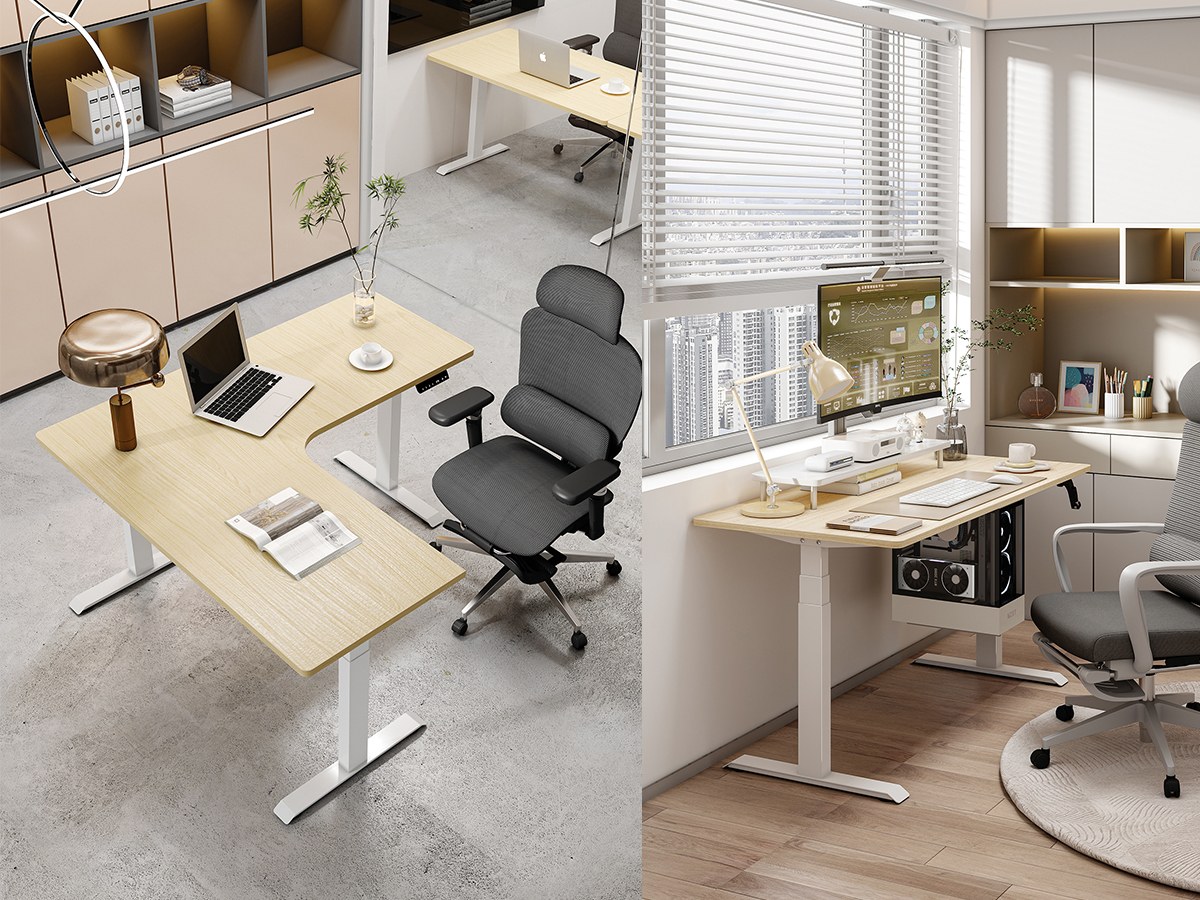
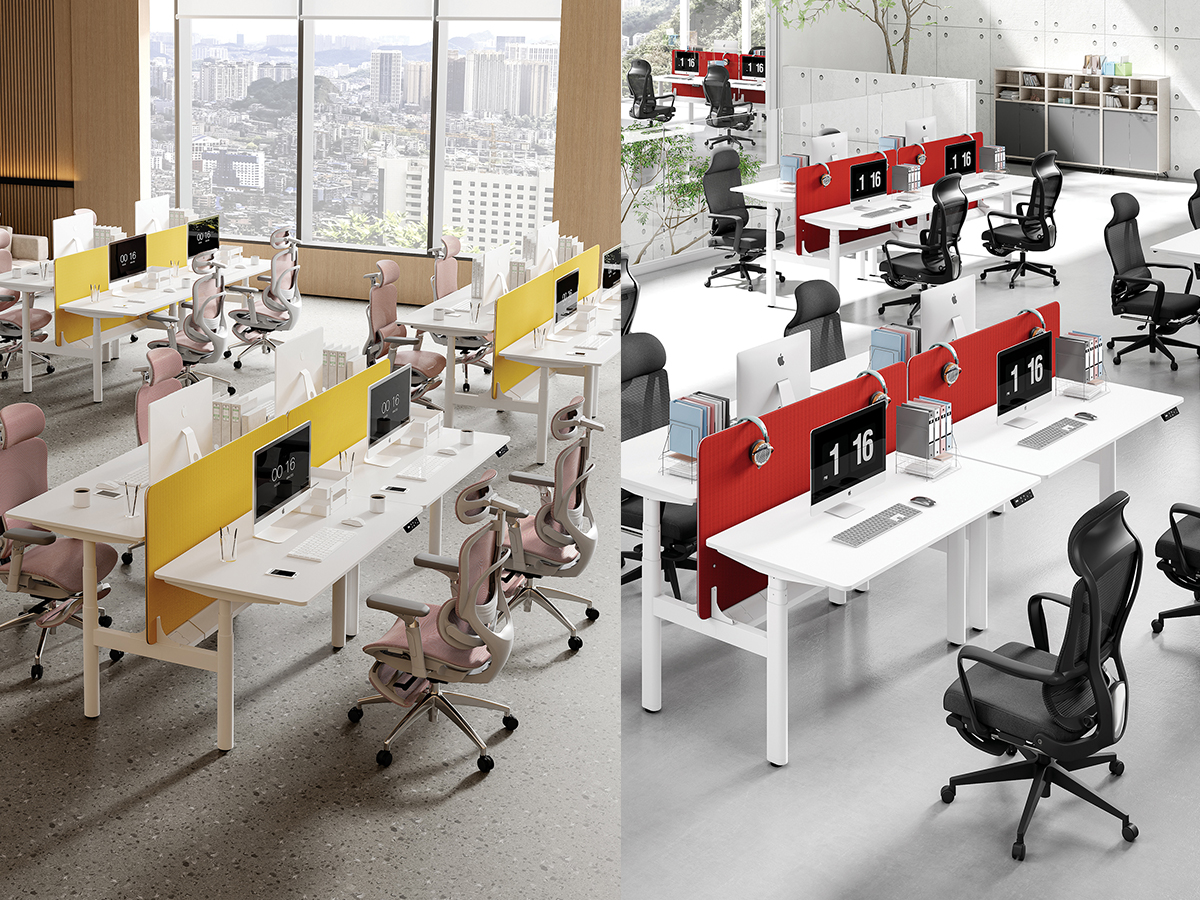
electric lifting table spare partselectric lifting table spare partselectric lifting table spare parts

Product Overview

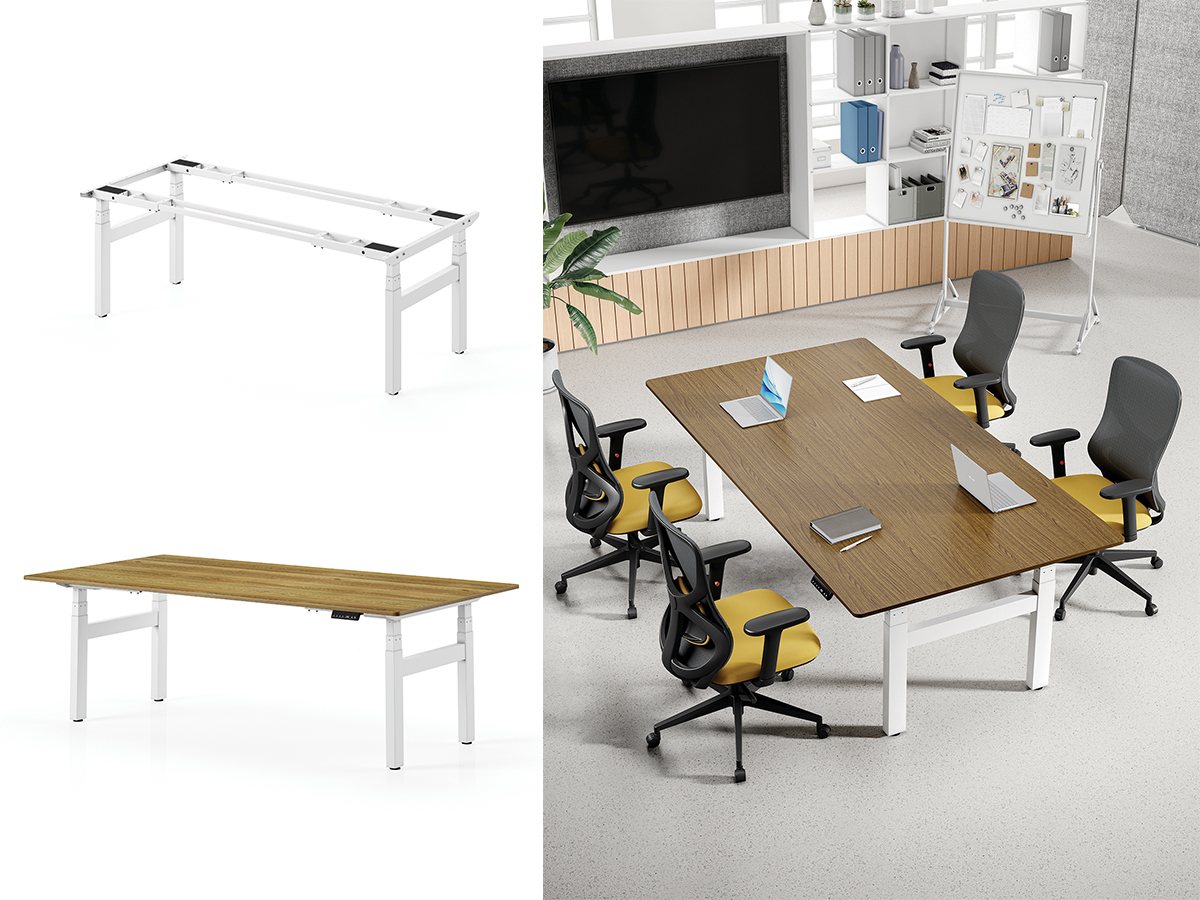
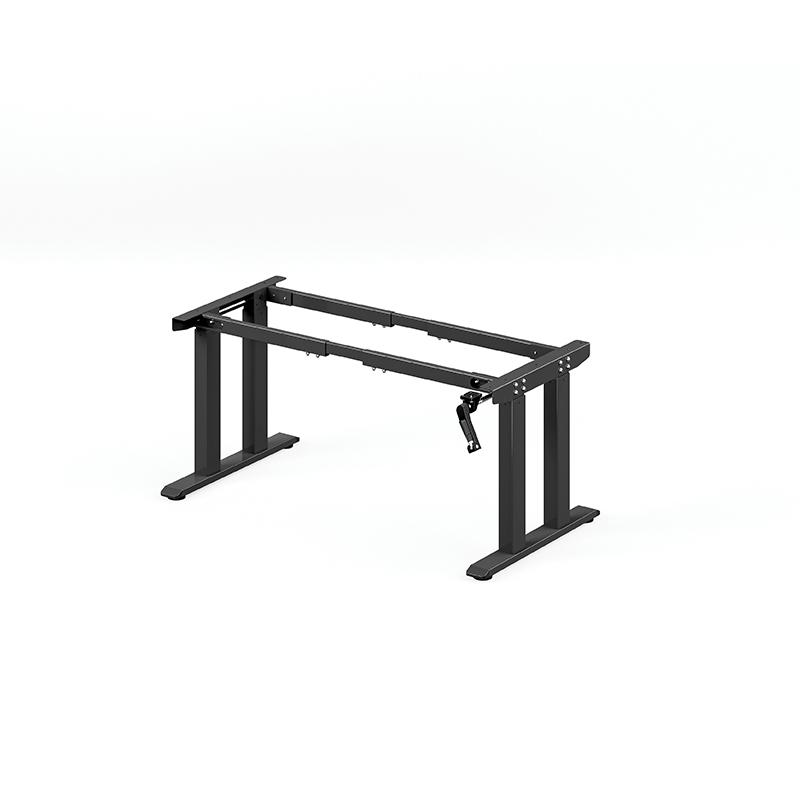
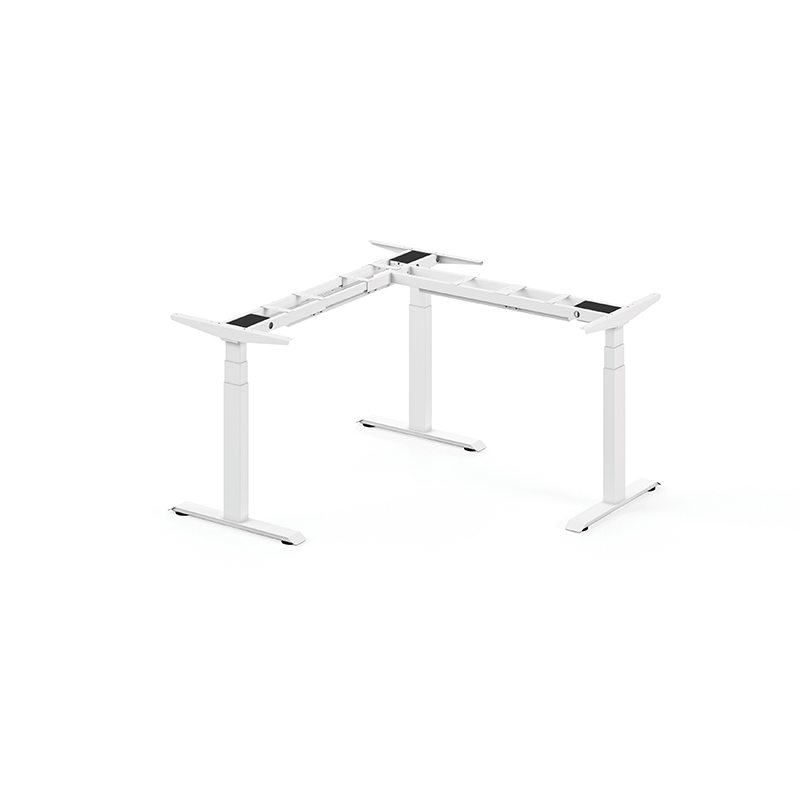
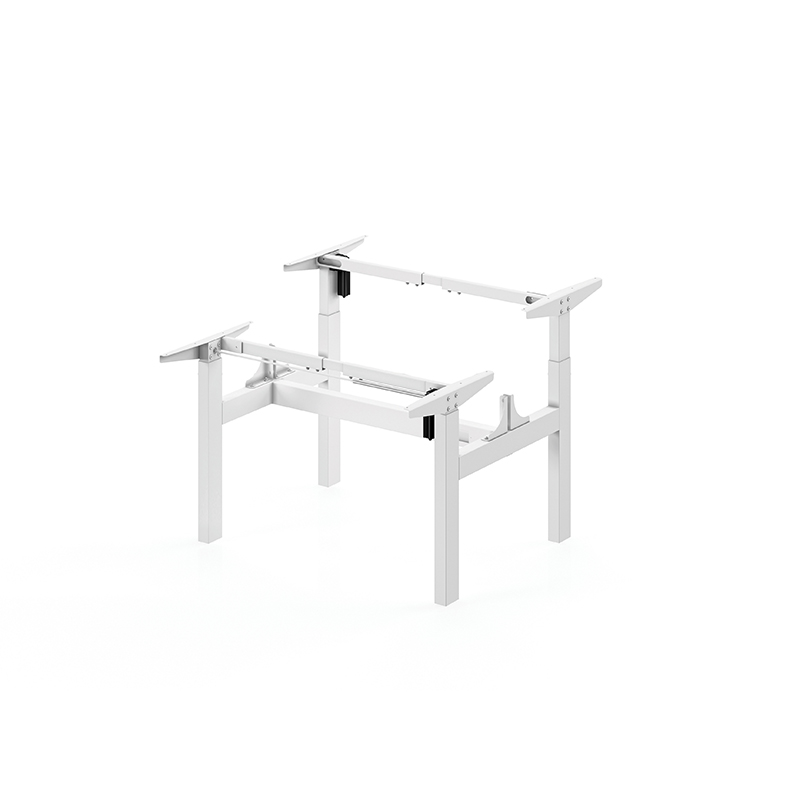
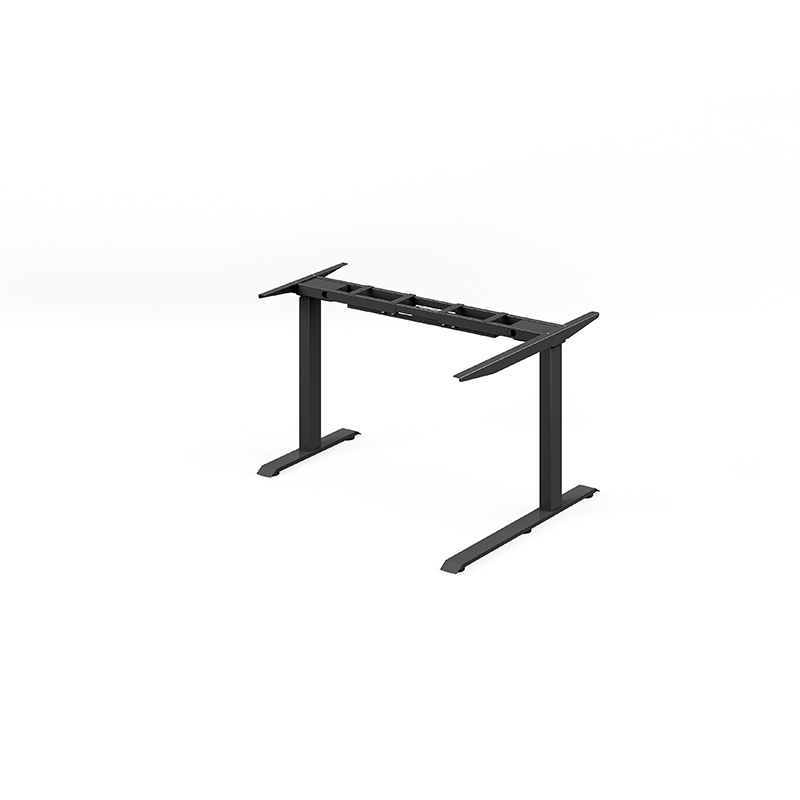
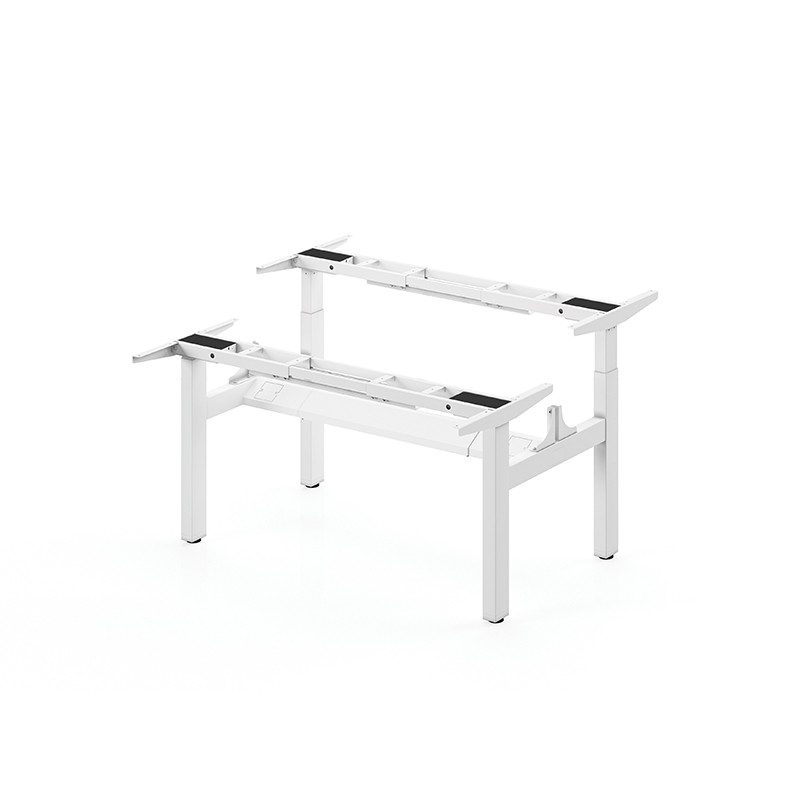
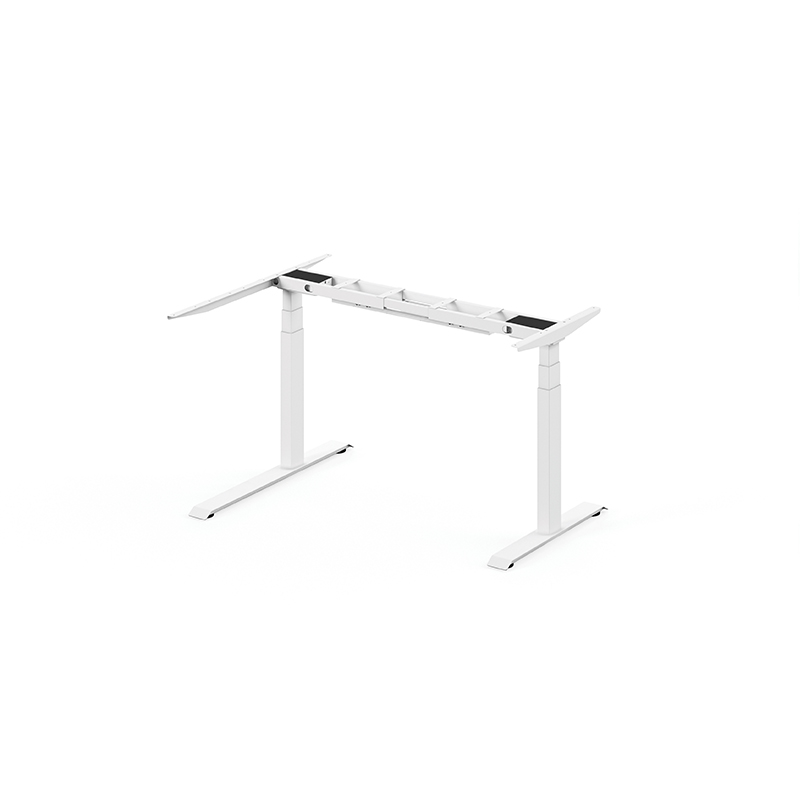
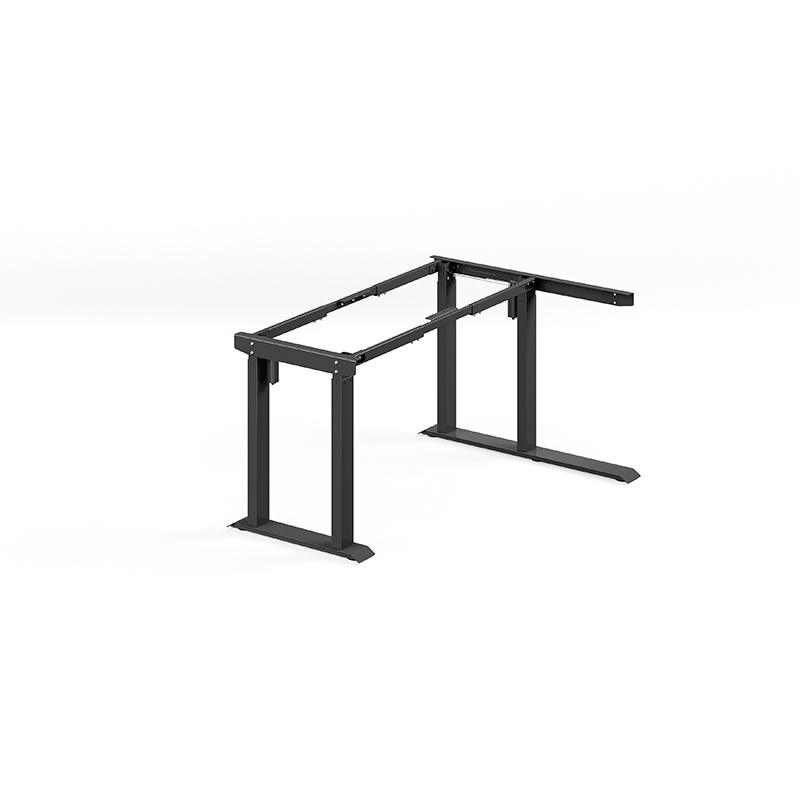
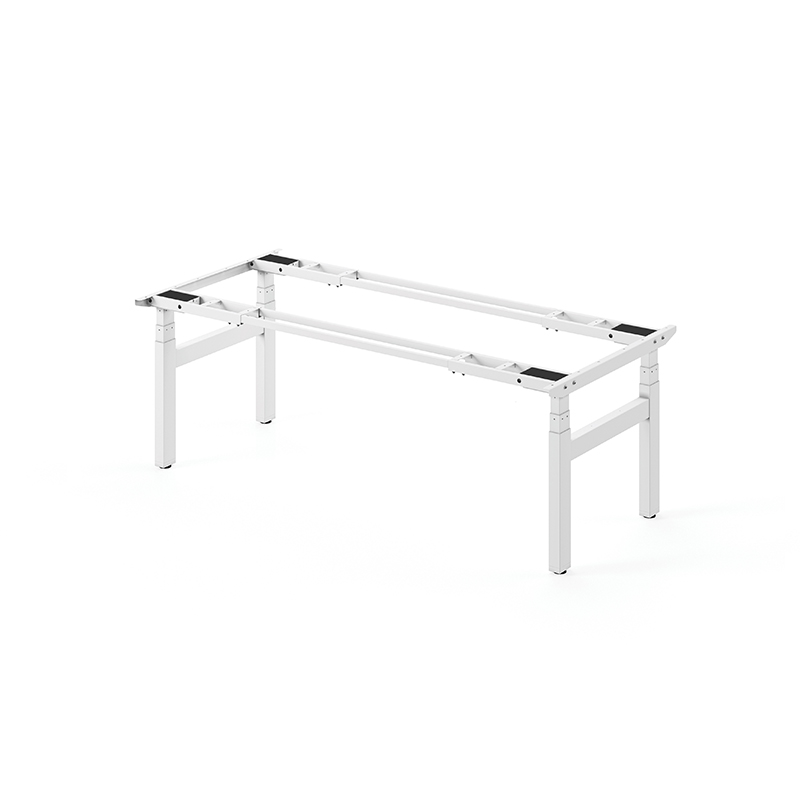
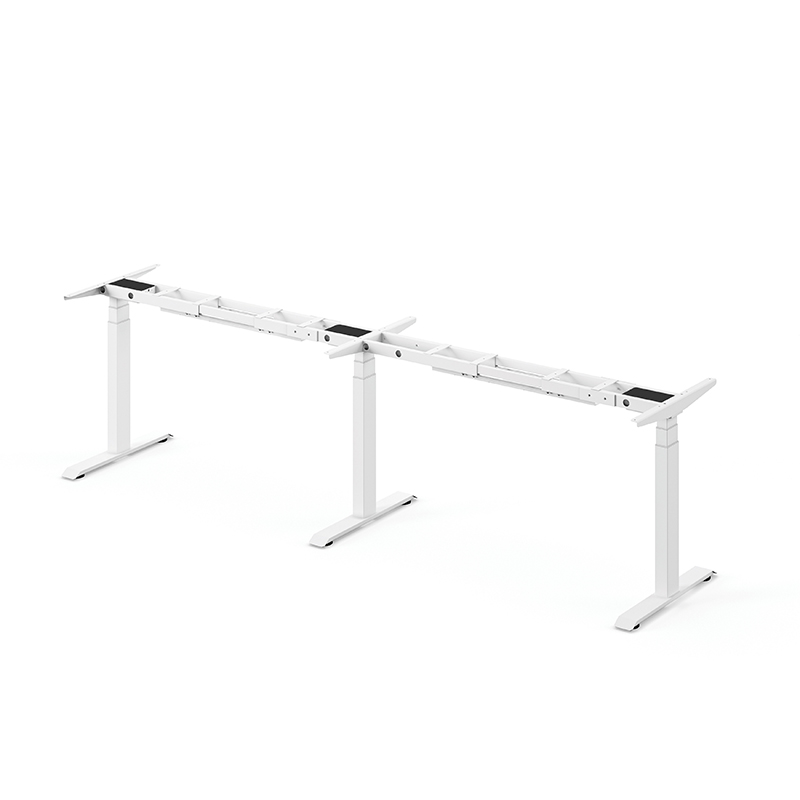
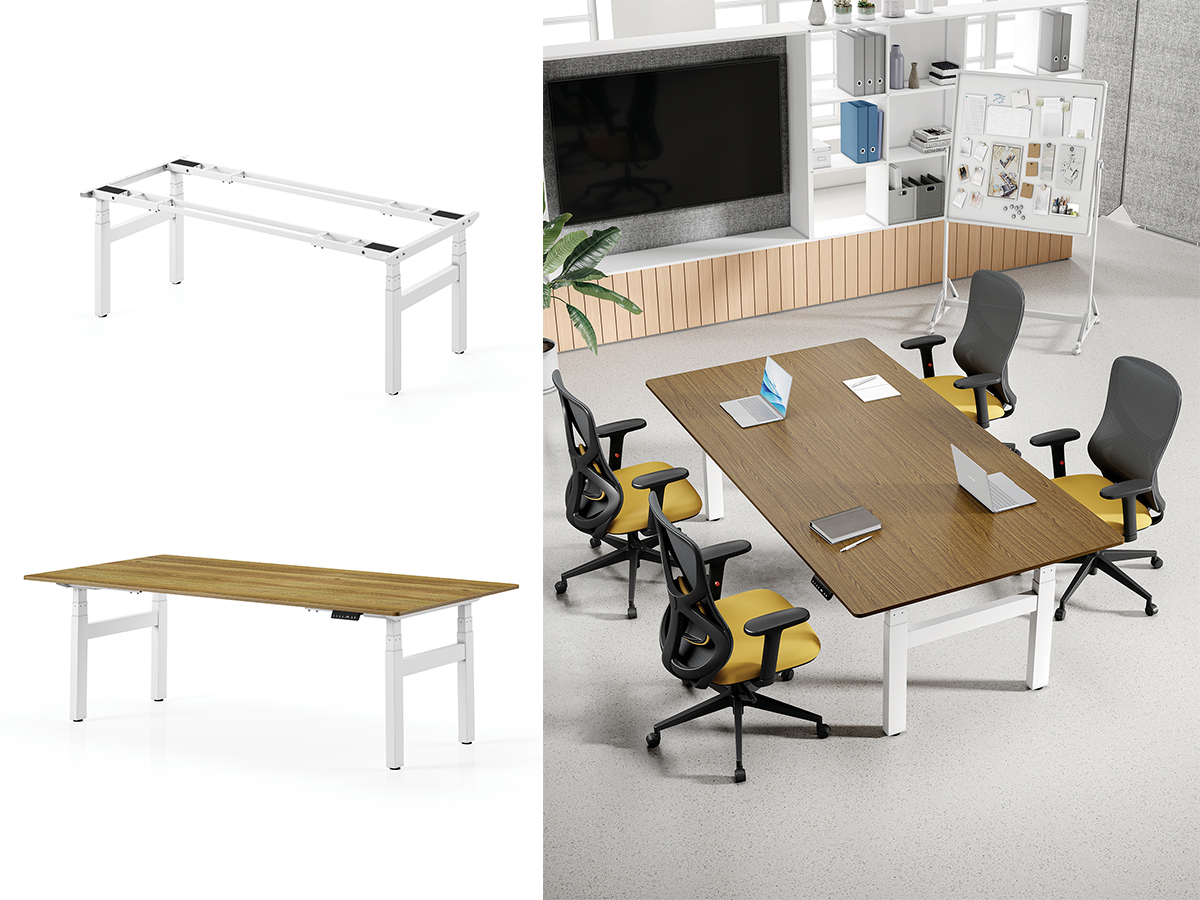
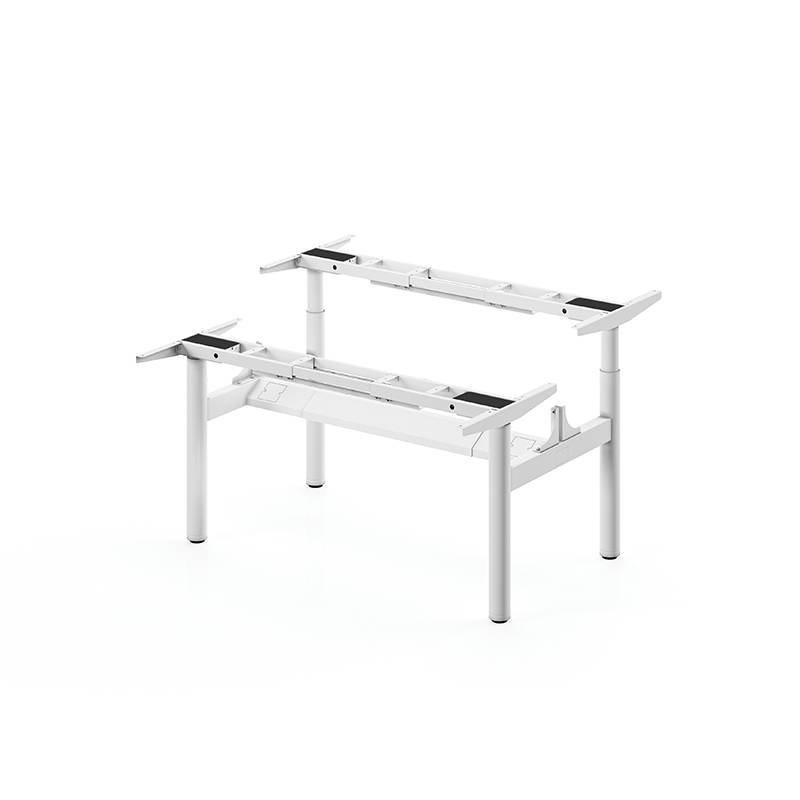
This product category is a fabricated metal frame used as the support structure beneath a tabletop, platform, or machine interface. Based on the visible structure, it uses rectangular tubing, long horizontal rails, vertical posts, and wide base feet to create a stable underframe. The open center design leaves room for mounting a work surface or passing cables and components through the middle area.

From the visible geometry, the frame appears suitable for multiple uses: a workstation base, desk frame, industrial bench base, or modular platform support. The design shows adjustable-looking rail positions and mounting holes or slots, which suggests it can be adapted to different assembly requirements. Exact dimensions and load rating are not provided, so those should be confirmed before purchase.


Key Structural Features

Rigid frame layout

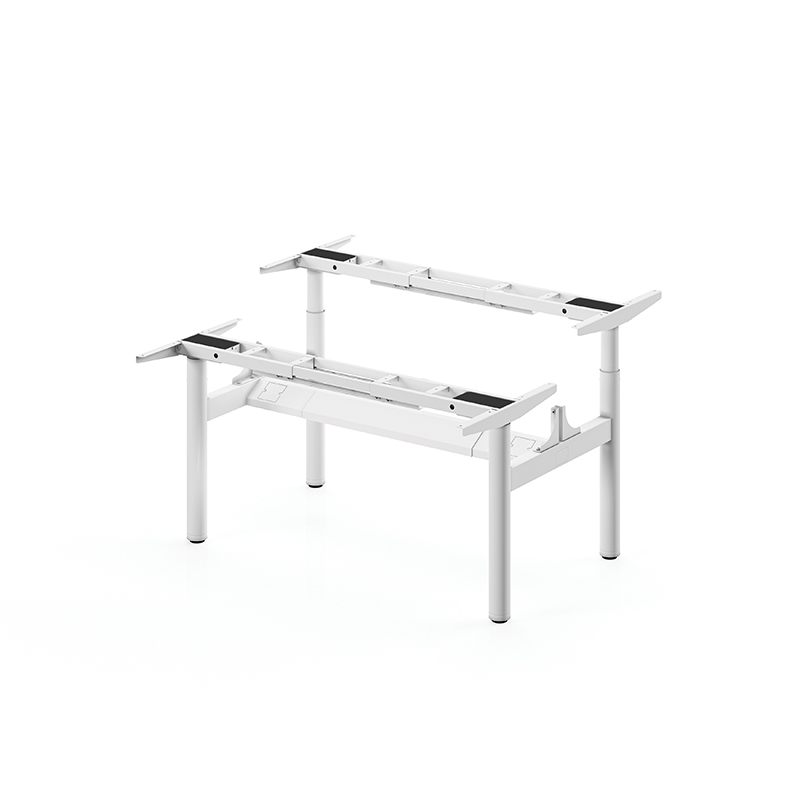
The frame is built around two long side rails, two end cross members, and four vertical legs or posts. This layout helps distribute weight across the base instead of concentrating stress at a single point. For a buyer, that means better stability when the table is used for typing, assembly, packaging, or equipment support.


Wide floor-contact feet

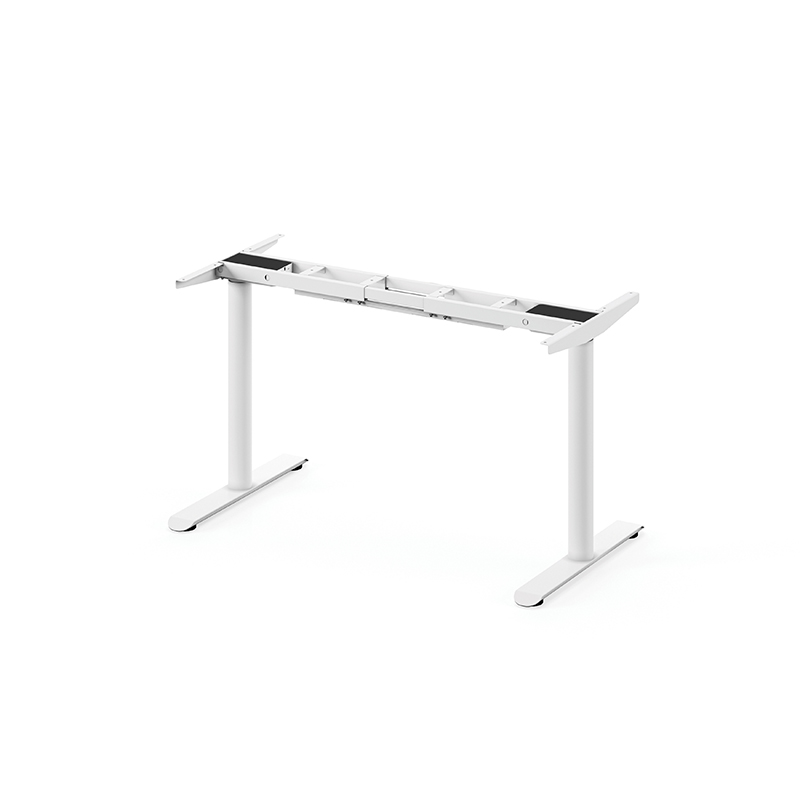
Visible base plates or feet extend outward to increase floor contact. That is useful in workstation and table applications because a wider stance can help reduce rocking and improve the overall planted feel of the frame. The broad feet also provide a practical surface for fastening or leveling hardware, depending on the final configuration.


Open mounting area

The open center section gives room for attaching a tabletop, shelf, fixture, or conveyor module. This makes the frame more flexible than a closed cabinet-style base. Buyers often value this when building custom furniture or industrial equipment, because the frame can accept different top materials and mounting patterns.


Materials and Finish Options

The visible unit appears to be made from welded or bolted steel with a matte black or dark-coated finish. Another visible version in the preparation data shows a white-coated frame, which indicates that finish color may vary by model or customer specification. A painted or powder-coated surface is commonly used for office and industrial frames because it helps resist everyday wear and gives the structure a cleaner appearance.

Exact steel grade, coating chemistry, and finish thickness are not supplied, so those should not be assumed. If the frame is being sourced for an office environment, a smooth coated finish may be preferred for appearance. For production or workshop use, buyers may prioritize scratch resistance, weld strength, and ease of maintenance over decorative appearance.


Manufacturing and Fabrication

Based on the visible construction, the frame is likely produced from cut-to-length metal tubing that is drilled or punched for mounting points and then joined by welding and/or bolting. The corners show clean industrial joints, and the visible slots and holes suggest repeatable assembly positioning. A final coating step is likely used to finish the surface, though the exact process is not confirmed.

For buyers, fabrication quality matters because it affects straightness, fit, and long-term performance. A frame with well-aligned rails and consistent joint geometry will make tabletop installation easier and reduce the chance of wobble or uneven load distribution. In modular furniture and equipment builds, these details often matter more than appearance alone.


Typical Specifications Buyers Should Verify

Because the supplied data does not include exact numeric values, the most important specification checks are practical rather than promotional:

Frame span and overall footprint
Tabletop or platform mounting pattern
Height or span adjustment range, if applicable
Maximum recommended load for the completed assembly
Type of joint construction: welded, bolted, or mixed
Surface finish and color options
Floor leveling method, if included
Compatibility with accessories such as a lift table hinge or bracing hardware

For projects involving automation or moving platforms, confirm whether the frame accepts scissor lift table parts or other motion components. If the frame is part of a larger service kit, buyers may also need to identify matching lift table joint parts, a lift table bearing, or a lift table seal kit depending on the machine design. Those items are not visible here and must be matched to the actual system.


Application Scenarios

Office and home-office desks

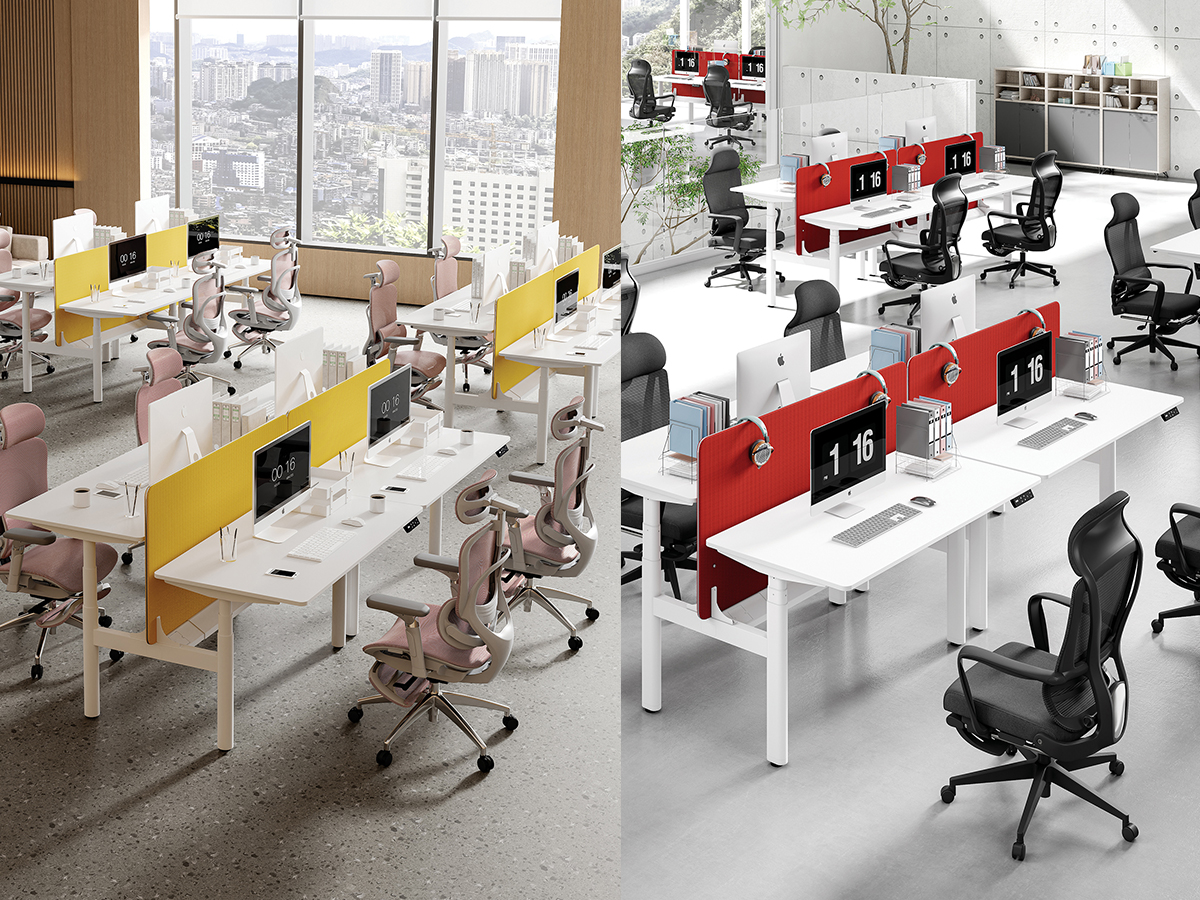
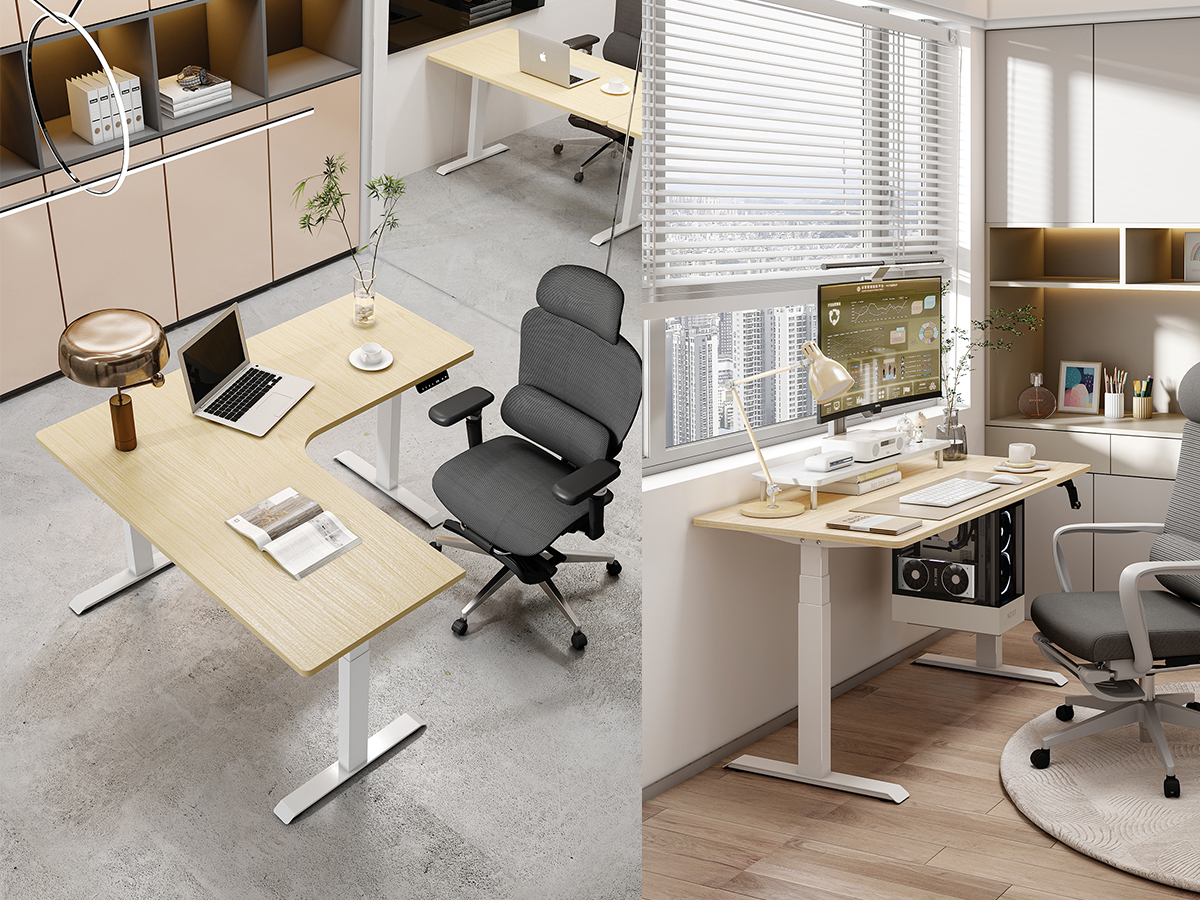
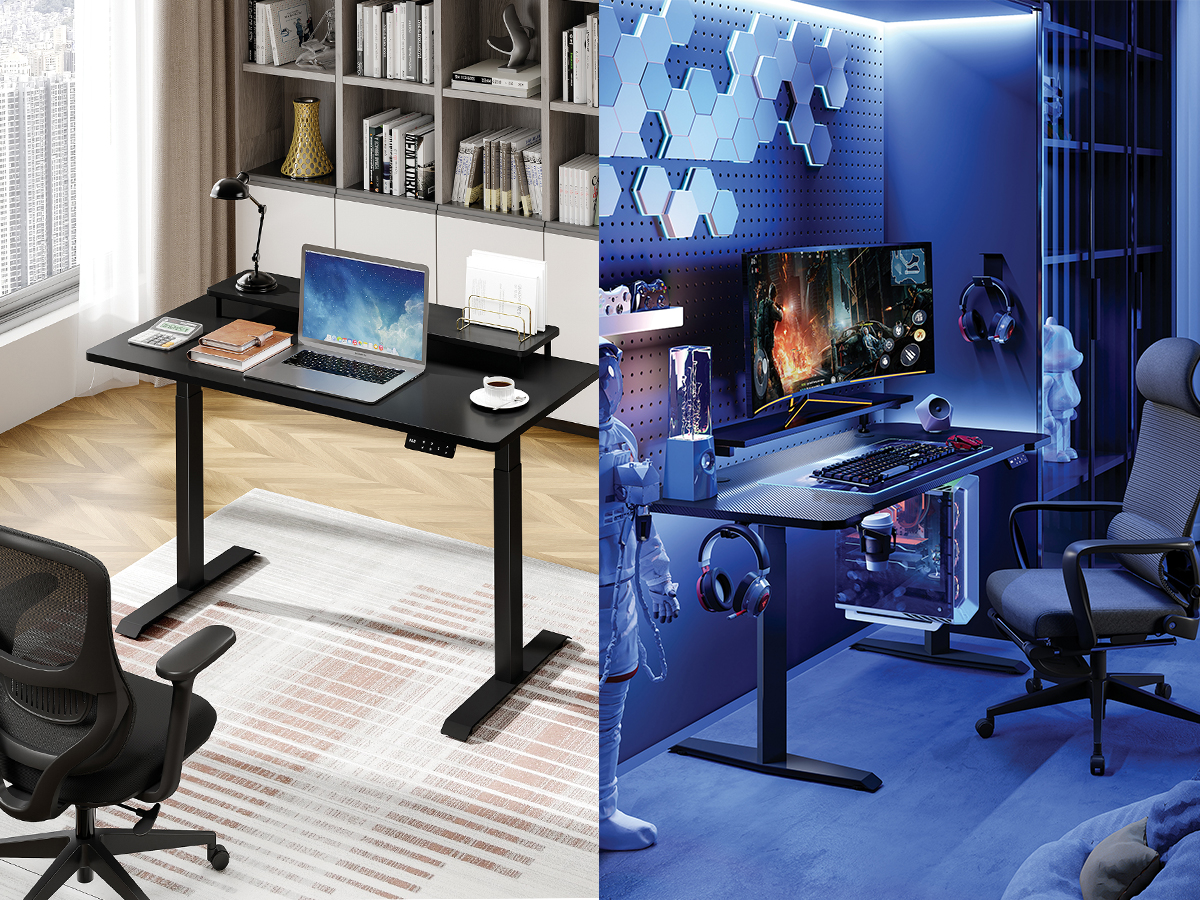
The structure can serve as the foundation for a custom desk or standing desk build. Buyers who want a specific desktop size, cable-routing layout, or frame color can start with the base and add a top separately.


Industrial workbenches

In production and repair spaces, a support frame needs to hold tools, components, and fixtures without shifting. This type of underframe is useful where a clean, open center and durable legs are preferred.


Automation and packaging platforms

Because the frame looks modular, it can also support a machine stand, conveyor section, inspection station, or packaging module. The adjustable-looking rail layout may be helpful when aligning components during integration.


Custom furniture and modular systems

Furniture makers often need a strong base that accepts different top materials and dimensions. A frame like this can be used for a countertop, utility table, or specialized modular station where the final build is tailored to the room or workflow.


Quality Control Considerations

For fabricated steel frames, quality control should focus on geometry, alignment, coating, and assembly consistency. Buyers should ask whether the supplier checks squareness, hole placement, surface finish, and fit between mating parts. In practical use, these checks reduce problems during installation and help the finished table sit level on the floor.

Foshan Siwares Technology Co., Ltd. states that it operates with a large manufacturing base, advanced equipment, and quality assurance processes for furniture and office solutions. That background is relevant for buyers looking for a supplier that can support structured production and product customization. The company also mentions after-sales support, which can be important when a frame is part of a larger office or workstation project.


Customization Guidance

When ordering a lift table support arm or a complete frame system, customization should start with use case. A desk frame for office work may need a different rail length, finish color, or cable-management layout than a frame for industrial equipment. Buyers should define the tabletop size, mounting point spacing, and intended load before requesting changes.

If the frame must integrate with motion hardware, confirm the locations for hinges, bearings, or limit switches before production. In serviceable systems, buyers may also want spare components such as electric table lift spare parts for maintenance planning. Not every frame requires those components, but in adjustable or powered systems they affect long-term usability and repairability.

For accessories, keep the terminology clear. A lift table hinge may not fit every frame style, and a lift table limit switch should be matched to the motion system rather than selected by appearance alone. The same applies to replacement parts for scissor lift table parts; the exact model and dimensions must be matched.


What Buyers Should Compare Before Ordering

Several decision factors matter more than marketing language. First, confirm whether you need a complete base or only a structural support arm. Second, compare floor footprint and leg clearance, since these affect comfort and stability. Third, check finish durability if the product will be used in a high-touch environment. Fourth, ask how the unit is assembled, because welded and bolted frames have different service advantages. Fifth, review compatibility with the intended tabletop or equipment plate.

If your project involves replaceable components, ask whether the supplier can provide a lift table bearing, seal kit, or related service parts for future maintenance. This is especially relevant for systems that will be used daily and need periodic repair rather than full replacement.


Why This Frame Style Works Well

The visible design balances structure and flexibility. The long rails provide span, the posts supply vertical support, and the wide feet help the unit sit securely on the floor. For buyers building a workspace, that combination is practical because it supports different top materials and different operating environments. It is also easier to adapt than a fixed one-piece table when the final application is still evolving.

Whether you are sourcing a workstation base, a custom desk underframe, or an equipment support structure, this type of frame gives you a strong starting point. It is especially useful when the project requires a tailored fit rather than a standard off-the-shelf table.


Request a Custom Quote

If you need a lift table support arm or a custom metal frame for a desk, workstation, or equipment platform, contact Foshan Siwares Technology Co., Ltd. with your required dimensions, finish color, mounting style, and application details. Clear project information helps the supplier recommend the right frame structure and prepare a more accurate configuration for production.

For buyers comparing modular office furniture, industrial bases, and replacement components, this is the point to specify whether you need the frame alone or a system that includes lift table joint parts, a lift table limit switch, or other electric table lift spare parts. The more clearly the operating conditions are defined, the better the final fit will be.
site-logo

CONTACT

  • Phone:
    +8618128768974
  • Whatsapp:
    +8618128768974+8617776787187
  • Email:
    phyllis@siwaresfurniture.comlemon@siwaresfurniture.com

ABOUT US

PRODUCTS

    SERVICE

    CONTACT US

    © 2025 Siwares . All rights reserved.